OEM Manufacturing: This guide covers What Is OEM Manufacturing?; How OEM Manufacturing Works; OEM Manufacturing in the Packaging Industry. Use the sections below to compare specifications, supplier evidence and the requirements of your application.
Introduction
The global packaging industry is rapidly evolving as brands seek scalable, customizable, and cost-efficient manufacturing solutions. In highly competitive industries such as food service, horeca, retail packaging, airline catering, and takeaway operations, businesses increasingly rely on OEM manufacturing to strengthen operational efficiency and brand positioning.
OEM manufacturing has become especially important in the sustainable packaging sector, where companies require:
- customized packaging solutions,
- private label production,
- sustainable materials,
- and reliable global supply chains.
For paper packaging manufacturers, OEM production enables businesses to create tailor-made packaging products that align with brand identity, food safety requirements, sustainability goals, and market expectations.
But what exactly is OEM manufacturing, and why is it becoming so important for modern food packaging businesses?
This guide explains how OEM manufacturing works, its advantages, production processes, and why OEM partnerships are shaping the future of sustainable packaging.
On this page
What Is OEM Manufacturing?
OEM stands for Original Equipment Manufacturer.
In packaging and product manufacturing, OEM production refers to a system where a manufacturer produces goods according to another company’s specifications, branding, and requirements.
In simple terms:
- the manufacturer handles production,
- while the client owns the brand and market positioning.
OEM manufacturing is widely used in industries such as:
- food packaging,
- paper cutlery,
- disposable food containers,
- electronics,
- automotive,
- cosmetics,
- and consumer products.
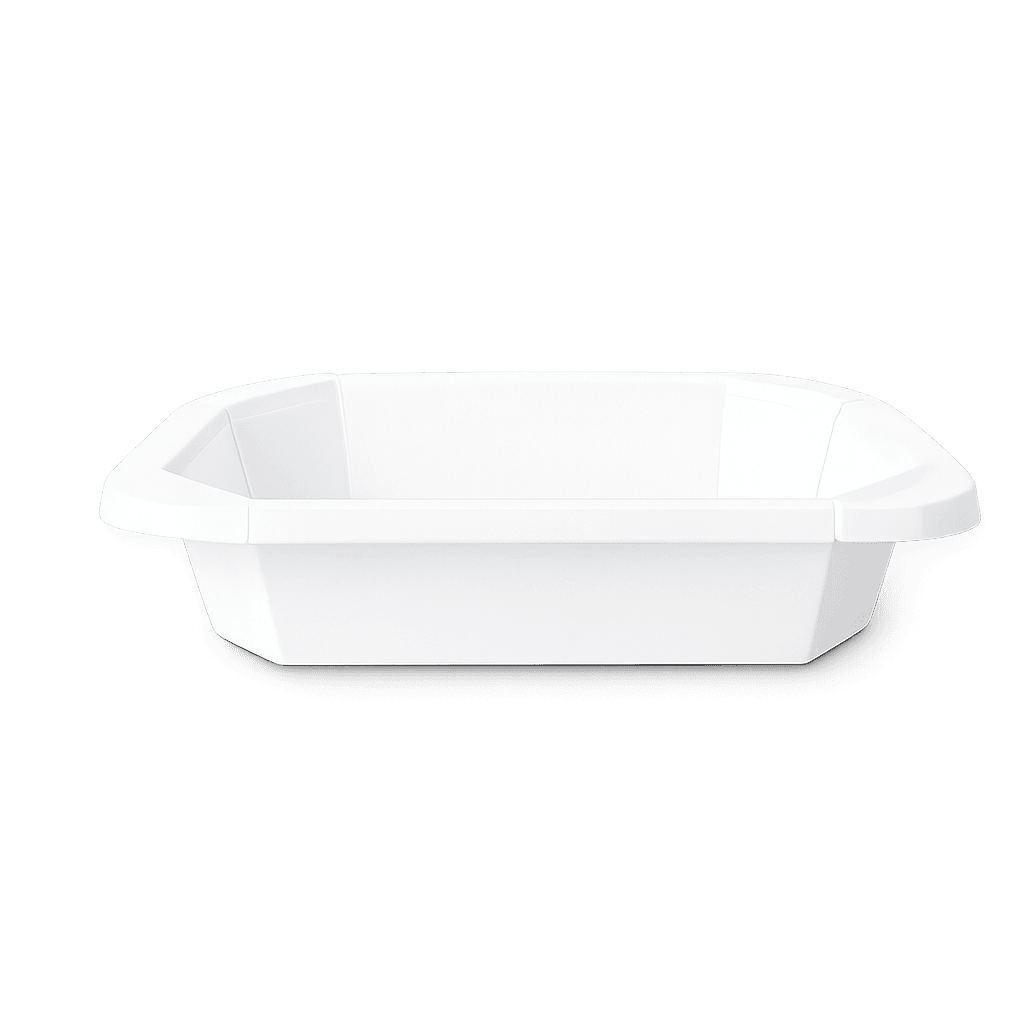
For packaging businesses, OEM manufacturing allows companies to launch customized products without building their own production facilities.
How OEM Manufacturing Works
OEM manufacturing typically involves collaboration between:
- the brand owner,
- and the manufacturing partner.
The process generally includes:
- Product development
- Material selection
- Design customization
- Production planning
- Manufacturing
- Quality control
- Packaging and logistics
The OEM supplier produces products according to the buyer’s:
- dimensions,
- specifications,
- branding,
- material preferences,
- and compliance requirements.
OEM Manufacturing in the Packaging Industry
OEM manufacturing plays a major role in modern packaging production.
Many food brands prefer OEM packaging suppliers because it allows them to:
- reduce operational complexity,
- scale faster,
- improve customization,
- and focus on sales and marketing.
OEM packaging production commonly includes:
- paper cups,
- paper trays,
- paper cutlery,
- takeaway containers,
- molded fiber packaging,
- and sustainable food packaging solutions.
Why Businesses Choose OEM Packaging Manufacturing
- Lower Investment Costs
Building a packaging production facility requires:
- machinery investment,
- factory infrastructure,
- labor management,
- certifications,
- and supply chain systems.
OEM manufacturing eliminates these large upfront investments.
Businesses can access professional manufacturing capabilities without owning factories.
- Faster Market Entry
OEM production significantly reduces product development timelines.
Experienced manufacturers already have:
- production systems,
- machinery,
- engineering expertise,
- and sourcing networks.
This helps brands launch products faster and respond quickly to market trends.
- Product Customization
OEM manufacturing enables businesses to create packaging tailored to their brand identity.
Customization options may include:
- size,
- shape,
- material structure,
- printing,
- logo application,
- embossing,
- and packaging design.
Custom packaging improves:
- brand visibility,
- customer experience,
- and product differentiation.
- Scalability
OEM suppliers often have large-scale production capabilities that allow businesses to grow efficiently.
Scalable manufacturing is especially important for:
- international food chains,
- distributors,
- horeca brands,
- and export-focused businesses.
OEM manufacturing allows brands to expand production volumes without operational disruption.
OEM Manufacturing and Sustainable Packaging
Sustainability is becoming one of the most important factors in packaging production.
Modern OEM packaging manufacturers increasingly focus on:
- recyclable materials,
- FSC certified paper,
- PFAS-free packaging,
- biodegradable solutions,
- and plastic-free alternatives.
Food brands now seek OEM suppliers capable of delivering environmentally responsible packaging products.
Sustainable OEM packaging supports:
- regulatory compliance,
- customer expectations,
- and corporate ESG goals.
FSC Certified OEM Packaging
FSC certification is increasingly important in OEM paper packaging manufacturing.
FSC certified materials help businesses demonstrate responsible sourcing and environmental commitment.
OEM manufacturers offering FSC certified production provide advantages such as:
- improved export readiness,
- sustainability credibility,
- and retailer compliance.
Global buyers increasingly prioritize suppliers with FSC Chain of Custody certification.
PFAS-Free Packaging in OEM Production
Food safety regulations are evolving rapidly.
Many governments are introducing restrictions on PFAS chemicals in food-contact materials.
As a result, OEM packaging manufacturers are investing in PFAS-free technologies for:
- paper food containers,
- takeaway packaging,
- and grease-resistant products.
PFAS-free packaging helps businesses:
- improve compliance,
- strengthen consumer trust,
- and reduce environmental concerns.
OEM Manufacturing Process Explained
Step 1: Product Consultation
The OEM process begins with understanding the client’s requirements.
Key discussions include:
- packaging type,
- dimensions,
- branding needs,
- sustainability goals,
- and compliance standards.
Step 2: Material Selection
Material choice is critical for packaging performance and sustainability.
Common OEM packaging materials include:
- kraft paper,
- coated paper,
- molded fiber,
- recyclable cardboard,
- and biodegradable materials.
Manufacturers help clients choose suitable materials based on:
- food safety,
- durability,
- environmental impact,
- and operational requirements.
Step 3: Design and Engineering
OEM manufacturers develop technical drawings and production specifications.
This stage may involve:
- structural optimization,
- branding integration,
- and packaging efficiency improvements.
Well-designed packaging improves both functionality and customer experience.
Step 4: Sampling and Testing
Before mass production, manufacturers typically provide prototypes or samples.
Testing may include:
- durability testing,
- leakage resistance,
- heat performance,
- and food-contact safety verification.
Step 5: Mass Production
Once approvals are completed, large-scale manufacturing begins.
Modern OEM packaging facilities often use:
- automated production lines,
- quality monitoring systems,
- and advanced converting technologies.
Step 6: Quality Control
Quality assurance is essential in food packaging production.
Manufacturers inspect:
- dimensions,
- print quality,
- structural consistency,
- and material performance.
Reliable OEM suppliers maintain strict quality control systems throughout production.
Step 7: Packaging and Export Logistics
OEM manufacturers also support:
- bulk packaging,
- palletization,
- export preparation,
- and shipping coordination.
Efficient logistics systems are especially important for international customers.
Industries That Use OEM Packaging Manufacturing
OEM packaging production is widely used across multiple industries.
Horeca Industry
Restaurants, cafés, and hotels increasingly rely on OEM packaging suppliers for:
- takeaway containers,
- disposable cutlery,
- beverage cups,
- and branded food packaging.
Airline Catering
Airline food service requires lightweight, durable, and sustainable packaging systems.
OEM manufacturers produce customized airline packaging solutions that meet operational and safety requirements.
Retail Food Brands
Retail businesses use OEM manufacturing for:
- private label packaging,
- shelf-ready food containers,
- and branded disposable packaging products.
Food Delivery Platforms
Food delivery growth has significantly increased demand for:
- leak-resistant packaging,
- sustainable takeaway solutions,
- and recyclable food containers.
OEM suppliers help delivery brands scale efficiently.
Advantages of Working With an Experienced OEM Manufacturer
A professional OEM packaging manufacturer provides:
- engineering expertise,
- sustainability knowledge,
- production scalability,
- and export experience.
Important qualities to evaluate include:
- production capacity,
- certification standards,
- material sourcing,
- quality systems,
- and communication reliability.
Choosing the right OEM partner is critical for long-term business success.
Challenges in OEM Manufacturing
Although OEM production offers many advantages, businesses should also consider challenges such as:
- supplier dependence,
- quality consistency,
- production lead times,
- and logistics management.
Strong communication and reliable quality systems help reduce these risks.
Long-term OEM partnerships are often more stable and efficient than short-term transactional relationships.
Future Trends in OEM Packaging Manufacturing
The future of OEM packaging manufacturing will focus heavily on:
- sustainability,
- automation,
- smart packaging technologies,
- recyclable materials,
- and low-carbon production systems.
Key trends include:
- PFAS-free packaging expansion,
- plastic-free food service solutions,
- lightweight packaging structures,
- and circular economy integration.
Businesses increasingly expect OEM suppliers to function as strategic sustainability partners rather than simple manufacturers.
Why OEM Manufacturing Is Growing Globally
OEM manufacturing continues to grow because it allows businesses to:
- reduce operational costs,
- improve flexibility,
- scale internationally,
- and adapt faster to changing market conditions.
In the sustainable packaging industry, OEM manufacturing also supports:
- innovation,
- customization,
- and environmentally responsible production.
As global demand for eco-friendly packaging rises, OEM partnerships will become even more important across the food service and retail industries.
Conclusion
OEM manufacturing has become one of the most effective solutions for businesses seeking scalable, customizable, and sustainable packaging production.
From paper cutlery and takeaway containers to FSC certified packaging and PFAS-free food service products, OEM production helps brands:
- improve efficiency,
- strengthen market positioning,
- and adapt to evolving sustainability expectations.
For food service brands, horeca businesses, retailers, and international distributors, choosing the right OEM packaging manufacturer is a critical strategic decision.
As the packaging industry continues transitioning toward environmentally responsible solutions, OEM manufacturing will remain a major driver of innovation, scalability, and sustainable growth.