paper cutlery
FSC-certified paper spoons, forks, knives and custom paper cutlery solutions.

International exhibitions allow buyers to evaluate VAV Paper’s sustainable product range, manufacturing capability, certification structure and OEM production readiness directly.
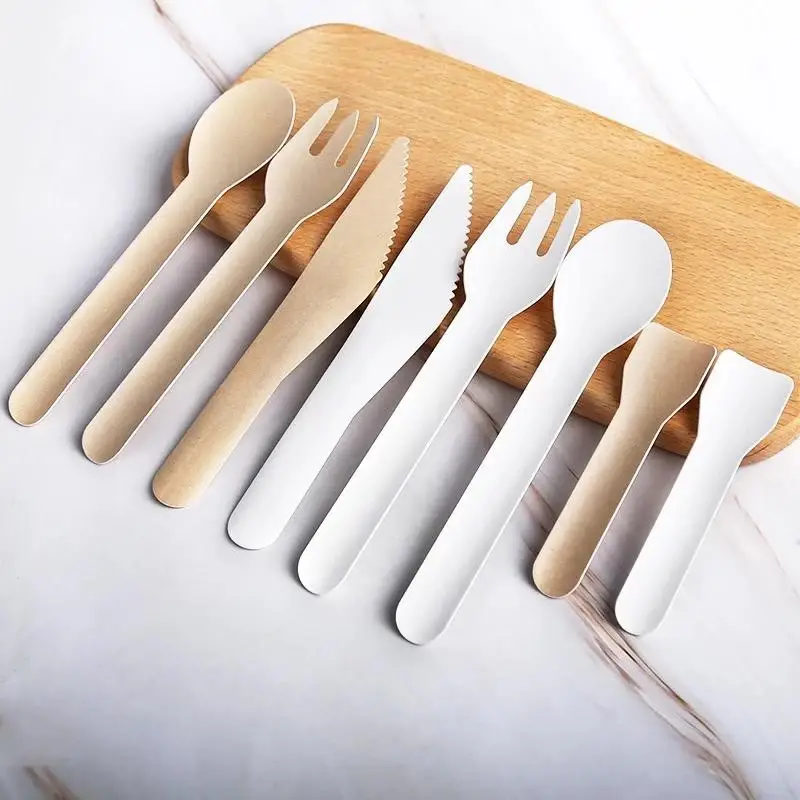
Exhibitions can introduce new packaging formats and suppliers. Turn an interesting display into a defined product enquiry by keeping the item reference, application and unresolved questions together. Event participation alone does not establish suitability for a food application.
Keep the product name, item reference, material description and contact source. Describe what attracted your attention and the application you have in mind. A photograph can help identify a sample, but it may not reveal coatings, dimensions or packing. Ask for the current specification before using display information in a purchasing brief.
Compare products against the same intended food, serving conditions and handling process. Distinguish a concept, a sample and a format available for quotation. Check which features have been confirmed for the proposed item. This makes follow-up discussions more useful than comparing appearance or broad environmental slogans without the supporting construction details.
Request the exact proposed item and identify its version. Agree a trial reflecting the intended filling, serving and disposal route. Record the conditions and acceptance criteria used. Where artwork, coating or shape will change, confirm whether the sample still represents the offered configuration and whether another review is needed before approval.
Ask for current product-specific declarations and the scope of relevant reports or certificates. Match them to the proposed item, manufacturing entity and intended market. A stand display or brochure is a starting point for discussion. Keep technical evidence and commercial details separately identifiable so that neither is mistaken for a complete approval.
Include the application, selected format, quantities or forecast, artwork requirements, packing and destination. Mark assumptions that still need confirmation. Ask the supplier to identify the offered construction and the commercial conditions in writing. Avoid copying an event headline into an order specification without checking the final configuration.
Use the organiser’s own event information for dates, programme and official reviews. Check the source and publication date before making travel or meeting plans. A general industry page should not be read as confirmation that a particular company exhibited, held meetings or achieved a commercial result at that event.
For background, consult the official interpack review. Request current evidence for the selected item. Send your project questions.