paper cutlery Production
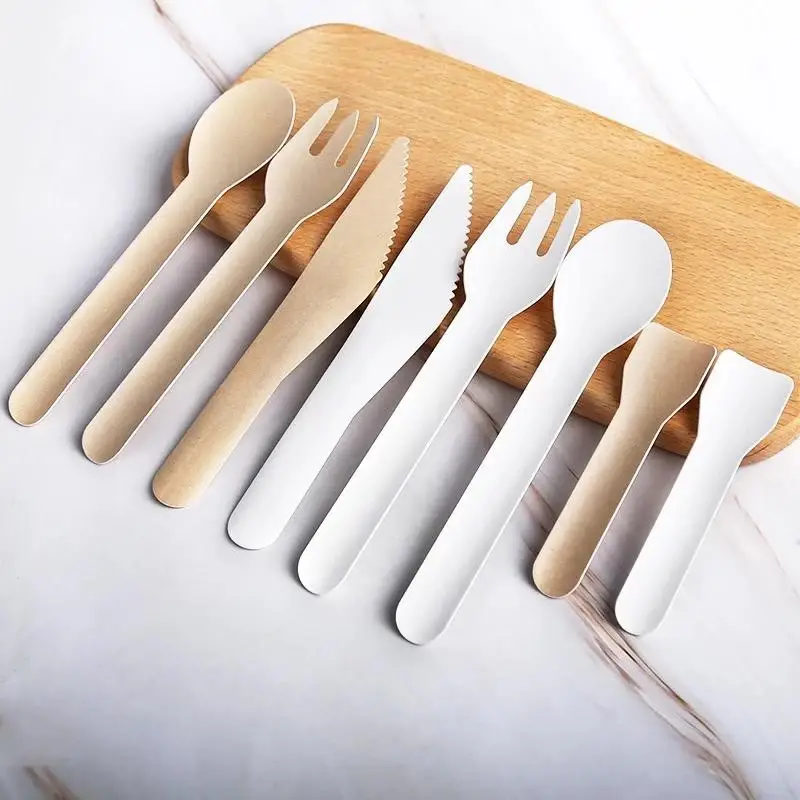
Scalable manufacturing for paper spoons, forks, knives and custom cutlery formats.

VAV Paper’s production facility is built to support high-volume paper cutlery and food packaging manufacturing for international food service, horeca, airline catering and retail packaging buyers.
A production facility page introduces the manufacturing context. For a purchasing decision, connect that background to the proposed item, relevant process and evidence needed for your application. Request current confirmation of project-specific details rather than assuming that a general site description covers every configuration.
Identify the manufacturing entity and location relevant to the proposed product. Compare them with the quotation and any applicable certificates or declarations. Ask for clarification if a different site or party is involved. Keep the confirmed information in the project record so that company background and the actual manufacturing arrangement can be distinguished.
Describe the selected product and ask which manufacturing or finishing steps affect its specification. Focus on the features relevant to your application, such as construction, coating, shape or packing. General equipment photographs provide context, but they do not confirm the exact configuration or capability proposed for an individual item.
State the quantities, forecast and timing required by your project. Ask the supplier to confirm availability and the proposed schedule in writing. Distinguish general site information from a commitment for the selected item. A published capacity figure should not be treated as reserved capacity, a lead-time guarantee or confirmation of a particular production slot.
Request applicable records for the selected item, manufacturing entity and intended market. Check the scope and current version of declarations, reports and certificates. Clarify whether a document describes the company, site, raw material or finished product. Keep that distinction visible when assessing whether the evidence answers the buyer’s application question.
Use a representative finished item with the intended food, serving conditions and handling process. Agree acceptance criteria before testing. Record the sample identification and specification version used. Where the final construction, artwork or packing differs, ask whether another trial is needed before approving production or treating a previous sample as the reference.
Retain the accepted specification, artwork, packing and evidence versions. Ask for notification of relevant changes before the next supply. Compare the repeat quotation with the approved record and resolve substitutions or discrepancies. This makes the site review useful for ongoing purchasing while avoiding assumptions that every production run is automatically identical.
For background, consult the European Commission food-contact legislation overview. Request current evidence for the selected item. Send your project questions.