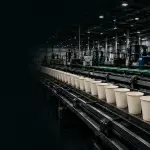
Ice Cream Packaging: How Packaging Influences Product Quality, Brand Image, and Sustainability
The global ice cream market continues to expand as consumers seek premium flavors, innovative products, and memorable experiences. While product quality remains the primary driver of success, packaging has become increasingly important in shaping customer perception, protecting product integrity, and supporting sustainability goals.
Modern ice cream packaging is no longer limited to simple containers. It now plays a critical role in branding, food safety, logistics, environmental performance, and consumer convenience.
From paper cups and takeaway tubs to paper ice cream spoons and custom-branded packaging, ice cream companies are investing heavily in packaging solutions that enhance both operational efficiency and customer experience.
This guide explores the latest developments in ice cream packaging and explains how brands can choose packaging solutions that support long-term growth.
Why Ice Cream Packaging Matters
Ice cream packaging serves several important functions simultaneously.
It must:
- Protect product quality
- Maintain food safety
- Support transportation
- Enhance brand visibility
- Improve customer experience
- Support sustainability initiatives
Unlike many food categories, frozen dessert products face unique challenges related to temperature, moisture, handling, and storage.
As a result, packaging design becomes a critical business decision.
The Evolution of Ice Cream Packaging
Historically, ice cream packaging focused primarily on functionality.
The main objective was to:
- Prevent contamination
- Maintain freshness
- Facilitate transportation
Today, consumer expectations have changed significantly.
Modern packaging must also deliver:
- Strong visual appeal
- Sustainability benefits
- Premium presentation
- Social media appeal
- Convenience
As competition increases, packaging often becomes a major differentiator.
Types of Ice Cream Packaging
Different packaging formats serve different market needs.
Ice Cream Cups
Paper ice cream cups remain one of the most popular packaging formats.
Applications include:
- Ice cream shops
- Cafés
- Restaurants
- Food trucks
- Event catering
Benefits include:
- Easy branding
- Lightweight design
- Convenient serving
- Strong customer acceptance
Custom printing opportunities make paper cups particularly attractive for premium brands.
Ice Cream Tubs
Larger tubs are commonly used for:
- Retail sales
- Family-size products
- Supermarket distribution
Important considerations include:
- Structural strength
- Leak resistance
- Freezer durability
- Branding space
Takeaway Ice Cream Packaging
Delivery and takeaway services have expanded rapidly.
Takeaway packaging must provide:
- Temperature protection
- Transportation durability
- Attractive presentation
Successful takeaway packaging helps maintain product quality during transit.
The Growing Importance of Paper Ice Cream Spoons
One of the most visible sustainability improvements within the ice cream industry is the transition from plastic spoons to paper spoons.
Many brands are actively replacing traditional plastic utensils with paper alternatives.
Why Paper Ice Cream Spoons Are Growing
Several factors drive demand:
- Plastic reduction initiatives
- Consumer expectations
- Sustainability goals
- Regulatory developments
- Brand differentiation
Paper ice cream spoons have become increasingly common in:
- Ice cream chains
- Frozen yogurt brands
- Gelato shops
- Retail ice cream programs
Benefits of Paper Ice Cream Spoons
Advantages include:
Reduced Plastic Consumption
Paper spoons help minimize single-use plastic waste.
Renewable Raw Materials
Paper-based products are often derived from renewable fiber resources.
Strong Brand Perception
Consumers increasingly associate paper products with sustainability.
Regulatory Readiness
Paper alternatives help brands prepare for evolving environmental regulations.
Sustainable Packaging Trends in the Ice Cream Industry
Sustainability is now one of the most important drivers of packaging innovation.
Major ice cream brands are actively investing in environmentally responsible solutions.
FSC-Certified Packaging
FSC certification has become increasingly important.
Benefits include:
- Responsible sourcing verification
- Supply chain transparency
- Sustainability credibility
- Support for ESG goals
Many retailers and food service operators prefer FSC-certified packaging products.
PFAS-Free Packaging
PFAS-free packaging is another rapidly growing requirement.
Ice cream brands increasingly seek:
- PFAS-free paper cups
- PFAS-free food containers
- PFAS-free packaging materials
This trend is expected to accelerate as regulations evolve globally.
Recyclable Packaging Solutions
Consumers increasingly expect packaging to support recycling initiatives.
Many ice cream brands now evaluate packaging based on:
- Recyclability
- Material efficiency
- Environmental impact
- Circular economy compatibility
Custom Branding Opportunities
Packaging serves as an important marketing tool.
Ice cream packaging offers significant opportunities for:
- Logo placement
- Product storytelling
- Seasonal promotions
- Limited edition campaigns
Well-designed packaging helps strengthen brand recognition and customer loyalty.
Private Label Ice Cream Packaging
Private-label products continue growing across retail markets.
Supermarkets and distributors increasingly seek custom-branded packaging solutions.
Private-label packaging may include:
- Custom cups
- Printed tubs
- Branded spoons
- Retail-ready packaging systems
Private-label programs often create long-term supplier relationships.
OEM Packaging Solutions for Ice Cream Brands
OEM manufacturing enables brands to develop packaging tailored to specific requirements.
Customization options include:
- Cup dimensions
- Material specifications
- Printing designs
- Sustainability features
- Structural requirements
OEM packaging helps brands differentiate themselves while optimizing operational performance.
Food Safety Considerations
Food safety remains a top priority.
Ice cream packaging must:
- Protect against contamination
- Maintain structural integrity
- Support cold-chain operations
- Comply with food-contact requirements
Reliable packaging contributes directly to product quality and customer satisfaction.
Packaging and Cold Chain Performance
Frozen products require specialized packaging performance.
Important factors include:
Temperature Resistance
Packaging must withstand freezing conditions.
Moisture Resistance
Ice cream packaging frequently encounters condensation and moisture exposure.
Structural Stability
Products must remain durable throughout transportation and storage.
What Ice Cream Brands Look for in Packaging Suppliers
Procurement teams typically evaluate suppliers based on several factors.
Manufacturing Capability
Suppliers should demonstrate:
- Production capacity
- Quality consistency
- Scalability
- Technical expertise
Sustainability Credentials
Increasingly important criteria include:
- FSC certification
- PFAS-free solutions
- Responsible sourcing programs
Product Innovation
Brands seek suppliers capable of supporting new product launches and packaging innovations.
Export Experience
International brands often prefer suppliers with strong export capabilities and logistics experience.
Packaging Trends for 2026 and Beyond
Several trends are expected to shape the future of ice cream packaging.
Sustainable Materials
Demand for renewable and recyclable materials will continue increasing.
Plastic-Free Accessories
Paper spoons and other fiber-based solutions will gain further market share.
Premium Packaging Design
Brands will continue investing in high-quality visual presentation.
Smart Packaging
Technology integration may provide enhanced consumer engagement.
ESG-Driven Procurement
Sustainability performance will increasingly influence purchasing decisions.
Common Packaging Challenges
Ice cream brands often face several challenges.
Balancing Sustainability and Cost
Environmentally responsible packaging must remain commercially viable.
Maintaining Product Quality
Packaging must protect products throughout the cold chain.
Meeting Regulatory Requirements
Compliance requirements continue evolving worldwide.
Differentiating in Competitive Markets
Brands seek packaging that supports unique positioning.
Why Sustainable Ice Cream Packaging Creates Competitive Advantages
Companies investing in sustainable packaging often benefit from:
- Improved consumer perception
- Stronger brand loyalty
- Better ESG performance
- Enhanced retailer acceptance
- Greater regulatory readiness
Packaging increasingly influences both purchasing decisions and long-term brand value.
Conclusion
Ice cream packaging has evolved far beyond its traditional protective function. Today, it serves as a powerful tool for branding, sustainability, customer engagement, and operational efficiency.
As consumer expectations continue shifting toward environmentally responsible products, demand for FSC-certified, PFAS-free, recyclable, and paper-based packaging solutions will continue growing.
For ice cream brands, distributors, retailers, and food service operators, investing in sustainable packaging is no longer simply an environmental decision—it is a strategic business decision that influences customer perception, regulatory compliance, and long-term market success.
Manufacturers capable of providing innovative ice cream cups, paper ice cream spoons, custom packaging systems, and sustainable food service solutions will be best positioned to support the next generation of frozen dessert brands.