Introduction
The global food service industry has experienced a major transformation in recent years, driven by the rapid growth of takeaway dining, food delivery platforms, and changing consumer lifestyles. As restaurants, cafés, fast food chains, bakeries, hotels, and catering businesses increasingly depend on takeaway operations, the demand for high-quality takeaway packaging has grown significantly.
At the same time, environmental concerns and plastic reduction regulations are reshaping the packaging industry. Businesses are no longer searching only for functional packaging solutions; they also require sustainable, recyclable, and eco-friendly alternatives that align with consumer expectations and international environmental standards.
A professional takeaway packaging manufacturer plays a critical role in this evolving market by providing food-safe, durable, customizable, and sustainable packaging products for modern food businesses.
In this article, we will explore the importance of takeaway packaging manufacturers, manufacturing processes, sustainable packaging trends, material innovations, industry applications, and what businesses should consider when selecting a reliable packaging supplier.
What Is a Takeaway Packaging Manufacturer?
A takeaway packaging manufacturer is a company specialized in producing disposable food packaging solutions for takeaway and food delivery services.
These manufacturers provide products such as:
- Paper food containers
- Paper cups
- Salad bowls
- Burger boxes
- Paper trays
- Soup containers
- Food wrapping paper
- Disposable cutlery
- Carry bags
- Beverage carriers
Modern manufacturers focus on combining:
- Food safety
- Durability
- Sustainability
- Brand customization
- Large-scale production capacity
Leading packaging suppliers also provide OEM and private label manufacturing services for global food brands and distributors.
Why Takeaway Packaging Is More Important Than Ever
The growth of food delivery and takeaway services has dramatically increased the importance of reliable packaging systems.
Several factors are driving this demand.
Growth of Food Delivery Platforms
Online delivery applications have expanded rapidly worldwide.
Restaurants now depend heavily on:
- Safe transportation
- Leak-resistant packaging
- Heat retention
- Brand presentation
Consumer Convenience
Modern consumers increasingly prefer:
- Fast takeaway meals
- Portable packaging
- Hygienic food delivery
- Sustainable packaging solutions
Environmental Regulations
Governments are introducing restrictions on:
- Single-use plastics
- Non-recyclable packaging
- Harmful chemical coatings
Food businesses must adapt to changing sustainability standards.
Brand Experience
Packaging has become an important part of customer perception and brand identity.
Well-designed takeaway packaging improves:
- Brand recognition
- Customer satisfaction
- Product presentation
- Social media visibility
Types of Takeaway Packaging Products
Professional manufacturers offer a wide range of food packaging products.
Paper Food Containers
Used for:
- Rice dishes
- Salads
- Pasta
- Hot meals
Paper Cups
Suitable for:
- Coffee
- Tea
- Cold beverages
- Smoothies
Burger and Sandwich Boxes
Designed for fast food service and takeaway operations.
Paper Trays
Popular for:
- Street food
- Snacks
- Desserts
- Fried foods
Soup Containers
Require strong heat and moisture resistance.
Food Wrapping Paper
Commonly used for:
- Burgers
- Sandwiches
- Bakery products
Disposable Cutlery
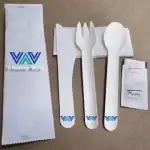
Manufacturers often provide sustainable paper or wooden utensils alongside food containers.
Materials Used in Takeaway Packaging
Modern takeaway packaging manufacturers increasingly prioritize sustainable materials.
Kraft Paper
Kraft paper is popular due to:
- Recyclability
- Strength
- Natural appearance
- Sustainability perception
Paperboard
Paperboard provides excellent structural durability for food containers.
Bagasse
Bagasse is produced from sugarcane fiber residue and offers:
- Compostability
- Heat resistance
- Renewable sourcing
Bamboo and Wood
Often used for sustainable cutlery and food trays.
PLA Bioplastics
Plant-based PLA materials provide:
- Industrial compostability
- Clear appearance
- Lightweight performance
Recyclable Barrier Coatings
Modern packaging increasingly uses PFAS-free and recyclable coating technologies.
How Takeaway Packaging Is Manufactured
Manufacturing food packaging requires advanced engineering and strict hygiene standards.
- Raw Material Selection
Manufacturers carefully select food-safe and sustainable materials.
Important considerations include:
- FSC certification
- Food-contact compliance
- Moisture resistance
- Heat resistance
- Sustainability goals
- Printing and Branding
Packaging often includes:
- Custom logos
- Brand colors
- Marketing graphics
- Product labeling
High-quality flexographic and offset printing systems are commonly used.
- Forming and Shaping
Industrial forming systems create:
- Containers
- Trays
- Cups
- Boxes
Precision engineering ensures structural stability and leak resistance.
- Barrier Coating Application
Food packaging often requires coatings for:
- Oil resistance
- Moisture protection
- Heat tolerance
Modern manufacturers increasingly adopt PFAS-free coating technologies.
- Quality Control
Reliable suppliers conduct extensive testing for:
- Food safety
- Leak resistance
- Heat performance
- Structural durability
- Hygienic packaging compliance
Benefits of Sustainable Takeaway Packaging
Eco-friendly takeaway packaging provides major environmental and commercial advantages.
Reduction of Plastic Waste
Sustainable packaging helps reduce:
- Ocean pollution
- Landfill accumulation
- Single-use plastic consumption
Improved Brand Image
Consumers increasingly prefer environmentally responsible food brands.
Regulatory Compliance
Sustainable packaging helps businesses comply with global environmental regulations.
Renewable Resource Usage
Many paper-based products use renewable forestry materials.
Better Customer Experience
Premium packaging improves food presentation and brand perception.
Industries Using Takeaway Packaging
Takeaway packaging solutions are essential across many industries.
Restaurants and Fast Food Chains
Food containers and delivery packaging are critical for takeaway operations.
Coffee Shops and Cafés
Cafés use takeaway packaging for beverages, desserts, and bakery products.
Food Delivery Services
Delivery platforms require durable and leak-resistant packaging systems.
Hotels and Catering Companies
Hospitality businesses increasingly adopt premium takeaway packaging solutions.
Bakeries and Dessert Shops
Packaging is important for product freshness and visual presentation.
Street Food Vendors
Portable and lightweight packaging supports efficient service operations.
Key Features of High-Quality Takeaway Packaging
Businesses should carefully evaluate packaging quality before selecting a supplier.
Food Safety Compliance
Products should comply with:
- FDA regulations
- EU food-contact standards
- LFGB certification
- FSC certification
Leak Resistance
Containers should maintain performance during transportation.
Heat and Moisture Resistance
Packaging must protect food quality under different conditions.
Sustainability Standards
PFAS-free and recyclable materials are increasingly important.
Strong Structural Design
Packaging should prevent damage during delivery and handling.
OEM and Private Label Takeaway Packaging
Many food businesses now seek customized packaging solutions.
OEM services may include:
- Custom dimensions
- Brand printing
- Retail packaging
- Delivery packaging systems
- Custom structural design
Private label packaging helps brands strengthen identity and market differentiation.
Sustainability Trends in Takeaway Packaging
The packaging industry continues evolving rapidly.
PFAS-Free Packaging Growth
Global demand for chemical-free food packaging is increasing significantly.
Premium Sustainable Packaging
Luxury food brands increasingly adopt high-end eco-friendly packaging.
Smart Packaging Technology
QR codes and digital branding integration are becoming more common.
Stronger Recyclable Materials
Manufacturers continue improving packaging durability while maintaining recyclability.
Circular Economy Focus
More businesses are prioritizing recyclable and compostable packaging systems.
Challenges in Takeaway Packaging Manufacturing
Despite rapid growth, the industry faces several challenges.
Cost Pressures
Sustainable materials may cost more than conventional plastics.
Supply Chain Volatility
Global logistics disruptions can affect material availability.
Recycling Infrastructure Differences
Waste management systems vary significantly between regions.
Performance Expectations
Packaging must balance sustainability with durability and food protection.
The Future of Takeaway Packaging
The future of food packaging is becoming increasingly sustainable and technology-driven.
Expected developments include:
- Fully compostable packaging systems
- Carbon-neutral manufacturing
- Advanced recyclable coatings
- AI-supported production optimization
- Zero-waste manufacturing systems
Businesses adopting sustainable packaging early will strengthen both regulatory compliance and customer loyalty.
Conclusion
Takeaway packaging manufacturers play a vital role in the modern food service industry by providing durable, food-safe, and sustainable packaging solutions for growing takeaway and delivery markets.
High-quality takeaway packaging helps businesses achieve:
- Better customer experience
- Stronger brand identity
- Sustainability compliance
- Reduced environmental impact
- Improved operational efficiency
As global demand for eco-friendly food packaging continues expanding, sustainable takeaway packaging manufacturers will remain essential partners for modern food businesses worldwide.