Why Food Brands Compare Paper Cutlery with Plastic Alternatives
Executive Brief
For more than half a century, plastic cutlery dominated the global food packaging industry.
Its success was built on several advantages:
- Low manufacturing cost
- High production efficiency
- Consistent performance
- Global availability
For decades these advantages made plastic spoons, forks and knives the obvious choice for food brands.
Today, however, the packaging industry is changing.
Retailers are introducing sustainability requirements.
Consumers are paying greater attention to visible packaging materials.
Governments continue implementing policies designed to reduce unnecessary plastic consumption.
Procurement teams are increasingly expected to contribute to ESG and sustainability objectives.
As a result, food brands are actively searching for alternatives to conventional plastic cutlery.
Paper cutlery has emerged as one of the strongest solutions.
Unlike many sustainability initiatives that remain invisible to consumers, paper cutlery creates a highly visible environmental signal.
Consumers physically interact with:
- Paper spoons
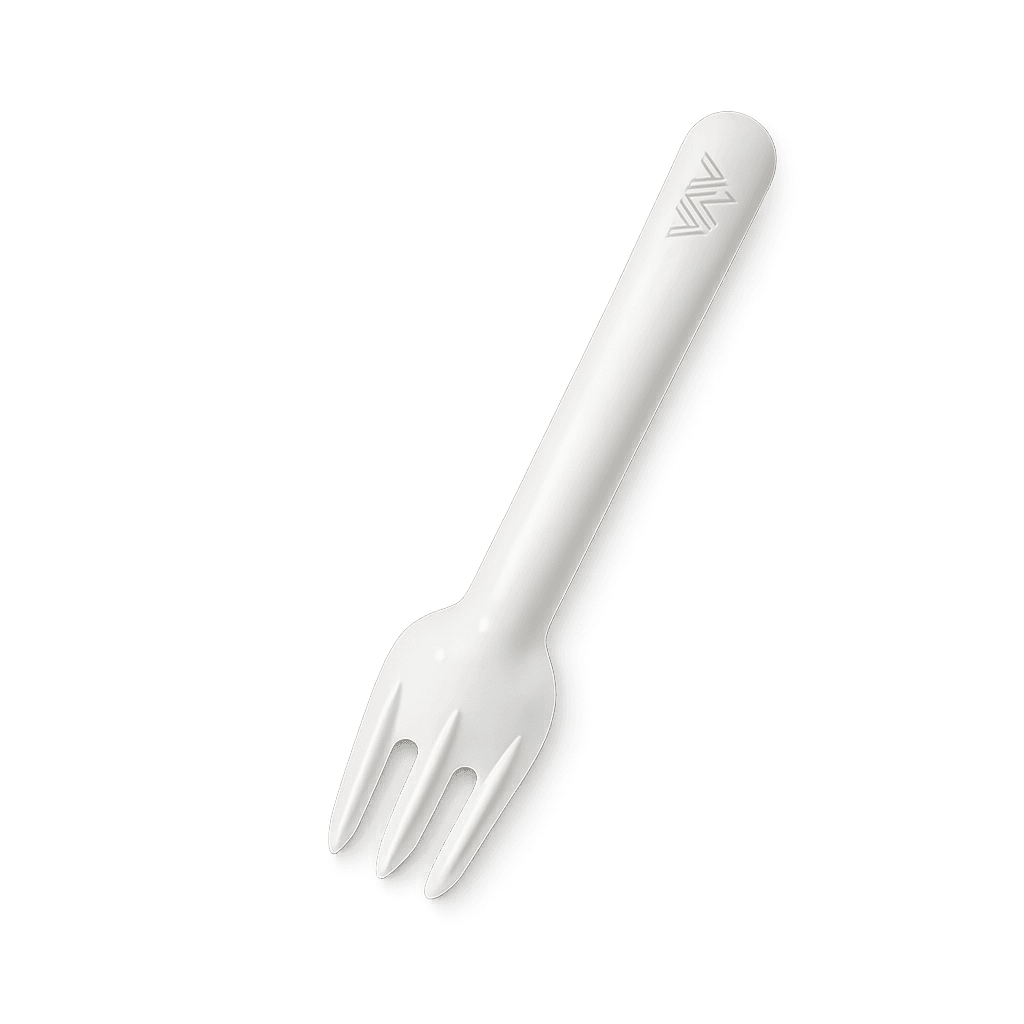
- Paper forks
- Paper knives
This interaction transforms disposable cutlery from a simple accessory into a packaging communication tool.
For many organizations, replacing plastic cutlery is becoming one of the fastest and most practical ways to demonstrate measurable sustainability progress.
This guide explains why the transition is occurring and how food brands evaluate paper cutlery solutions from a procurement, sustainability and commercial perspective.
The Problem With Plastic Cutlery
Plastic cutlery was originally adopted because it solved multiple operational challenges.
It was:
- Lightweight
- Durable
- Easy to manufacture
- Cost-effective
- Scalable
These characteristics remain attractive.
However, the market environment surrounding plastic products has changed significantly.
Today, plastic cutlery faces increasing challenges from multiple directions.
Consumer Perception
Consumers increasingly associate disposable plastic products with environmental concerns.
While many consumers do not understand complex packaging systems, they immediately recognize visible plastic components.
A disposable spoon is often noticed more quickly than a packaging material hidden within a supply chain.
This visibility creates perception challenges.
Brands increasingly recognize that packaging influences how consumers evaluate environmental responsibility.
Retail Pressure
Retailers continue expanding sustainability initiatives.
Many retail groups now maintain packaging-related objectives that encourage suppliers to reduce unnecessary plastic use.
Although specific requirements vary, the overall direction is clear.
Retailers increasingly favor packaging systems that demonstrate measurable sustainability improvements.
Regulatory Risk
Governments worldwide continue evaluating plastic packaging policies.
Organizations increasingly seek packaging solutions capable of supporting long-term regulatory readiness.
Paper cutlery often becomes part of these strategies because it supports broader plastic reduction initiatives.
Why Food Brands Are Moving Toward Paper Cutlery
The transition toward paper cutlery is being driven by several overlapping factors.
Sustainability Objectives
Many food brands maintain public sustainability commitments.
Examples include:
- Plastic reduction targets
- Sustainable packaging initiatives
- Responsible sourcing programs
- ESG objectives
Paper cutlery can contribute directly to these goals.
Retail Acceptance
Retail buyers increasingly evaluate packaging materials.
Visible sustainability improvements often support stronger retailer conversations.
Paper cutlery provides one of the most visible sustainability improvements available.
Consumer Communication
Many sustainability initiatives are difficult to communicate.
Paper cutlery is different.
Consumers immediately notice the material.
This creates powerful sustainability signaling opportunities.
Procurement Advantages
Paper cutlery increasingly supports procurement strategies focused on:
- Sustainability
- Transparency
- Future readiness
- Supply-chain improvement
This explains why procurement teams are becoming more involved in packaging decisions.
Plastic Cutlery vs Paper Cutlery
The comparison between plastic and paper extends beyond material choice.
It increasingly involves broader business objectives.
| Criteria | Plastic Cutlery | Paper Cutlery |
|---|---|---|
| Cost Efficiency | Strong | Improving |
| Sustainability Perception | Mixed | Strong |
| Retail Acceptance | Variable | Increasing |
| Plastic Reduction Support | Limited | Strong |
| Consumer Visibility | Neutral | Positive |
| ESG Alignment | Challenging | Strong |
| Responsible Sourcing Potential | Limited | Strong |
| Future Regulatory Alignment | Variable | Strong |
The correct solution depends on organizational priorities.
However, sustainability increasingly influences purchasing decisions.
European Market Analysis
Europe continues leading sustainable packaging adoption.
Several markets are particularly influential.
Germany
German procurement teams frequently emphasize:
- Documentation
- Sustainability
- Supply-chain transparency
Paper cutlery aligns well with these priorities.
Netherlands
Dutch importers often distribute products throughout Europe.
Future-ready packaging solutions receive increasing attention.
France
Consumer expectations increasingly influence packaging decisions.
Paper cutlery supports sustainability narratives that resonate with modern consumers.
Scandinavia
Scandinavian markets remain among the most sustainability-focused globally.
Paper cutlery adoption continues expanding across multiple sectors.
Food Service Industry Transformation
Food service operators increasingly seek alternatives to traditional plastic cutlery.
Drivers include:
Sustainability Objectives
Retail Requirements
Consumer Expectations
Brand Differentiation
Because food service environments distribute large volumes of cutlery, even small changes can create significant impact.
Ice Cream Industry Adoption
The ice cream sector remains one of the strongest paper cutlery categories.
Why?
Because the spoon is highly visible.
Consumers directly interact with it.
Paper spoon adoption allows brands to communicate sustainability improvements without changing the core product.
This makes ice cream one of the fastest-growing paper cutlery applications.
Children’s Products and Surprise Egg Opportunities
Children’s products represent another major opportunity.
Parents increasingly evaluate packaging materials.
Paper cutlery helps brands demonstrate environmental responsibility in a visible way.
Applications include:
- Surprise eggs
- Dairy desserts
- Children’s snacks
- Confectionery products
For many organizations, children’s packaging provides the strongest sustainability signaling opportunity.
FSC-Certified Paper Cutlery Advantage
FSC certification adds another layer of value.
Benefits include:
- Responsible sourcing
- Supply-chain transparency
- Procurement confidence
- Retail acceptance
For many buyers, FSC certification strengthens the business case for paper cutlery adoption.
Relevant solutions include:
- FSC Paper Spoon
- FSC Paper Cutlery
- FSC Packaging Programs
OEM Paper Cutlery Programs
Many organizations require more than standard products.
OEM manufacturing allows brands to develop solutions aligned with:
- Packaging systems
- Sustainability goals
- Product requirements
- Retail strategies
OEM flexibility increasingly influences supplier selection.
Procurement Decision Framework
Before replacing plastic cutlery, procurement teams should evaluate:
Sustainability Objectives
Retail Requirements
Consumer Expectations
Supply Reliability
FSC Capability
OEM Support
Export Readiness
Long-Term Risk
Organizations evaluating all factors generally achieve stronger outcomes.
Future Outlook: 2030
Several trends are expected to accelerate paper cutlery adoption:
- Increased plastic reduction initiatives
- Expanded retailer sustainability programs
- Greater FSC adoption
- Stronger ESG procurement frameworks
- Increased consumer awareness
Organizations investing early may gain competitive advantages.
FAQ
Why are food brands replacing plastic cutlery?
To support sustainability objectives, retailer requirements and consumer expectations.
Is paper cutlery suitable for food service?
Yes.
Food service remains one of the fastest-growing application categories.
Does FSC certification matter?
Increasingly, yes.
Many organizations evaluate sourcing transparency during procurement.
Can paper cutlery support OEM projects?
Absolutely.
Many manufacturers support custom development programs.
Which sectors adopt paper cutlery fastest?
Ice cream, dairy desserts, children’s products and food service applications.
Final Commercial CTA
Looking for a sustainable alternative to plastic cutlery?
Explore:
- Paper Cutlery Manufacturer
- Paper Spoon Manufacturer
- OEM Paper Spoon Manufacturer
- FSC Paper Spoon
- Paper Spoon for Kids
Request a Quote:
The future of disposable cutlery is not being shaped solely by materials.
It is being shaped by sustainability expectations, procurement decisions and the growing demand for visible environmental responsibility.
Three checks before replacing an existing cutlery format
How should the actual meal be tested?
Compare the proposed paper cutlery with the format currently used in the same meal and serving conditions. Record how the spoon, fork or knife handles the food, whether the edges remain comfortable and whether its shape changes during the expected service period. Include the packaging and normal customer handling in the trial. Agree the acceptance criteria before reviewing samples, retain the accepted reference and identify the product code. A material name by itself does not establish suitability for every dish, temperature or service duration.
Which documents and claims need separate review?
Ask for the construction of the finished item and current food-contact documentation relevant to the intended market and use. Review responsible-sourcing evidence separately from functional performance and disposal claims. Do not assume that a paper-based item is automatically recyclable or compostable in every local system. If an environmental statement will appear on the pack or menu, confirm its wording and supporting evidence before approval. Record any limitations so the purchasing decision remains linked to the product actually assessed.
How should costs and repeat supply be compared?
Compare quotations against the same specification, pack count, artwork and delivery basis. Include the service and handling requirements observed in the sample trial. Keep the accepted construction, reference sample and specification version with the order, and ask the supplier to report changes before shipment. Receiving staff should be able to compare later deliveries with that record and report deviations. This provides a practical basis for transition planning without assuming a universal price, performance or environmental advantage.
For general requirements, consult the European Commission food-contact legislation overview. This source is not a product certificate.