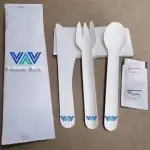
Paper Spoon Manufacturing: This guide covers Why Paper Spoon Manufacturing Is Growing; Plastic Reduction Initiatives; Sustainability Expectations. Use the sections below to compare specifications, supplier evidence and the requirements of your application.
The global food service industry is undergoing a major transformation driven by sustainability, environmental regulations and changing consumer expectations. One of the most important developments in this transition is the rapid growth of paper spoon manufacturing.
Restaurants, cafés, dessert chains, airlines, catering companies and takeaway food brands are actively searching for alternatives to conventional plastic utensils. As a result, disposable paper spoon solutions are becoming increasingly important across modern food service systems.
Paper spoon manufacturing is no longer a niche segment within disposable packaging. It is rapidly becoming a strategic category within sustainable food service products. Businesses now evaluate disposable utensils not only by cost and convenience, but also by sustainability positioning, food safety, branding potential and customer perception.
Today, paper spoons are used in:
- takeaway meals
- desserts
- ice cream service
- deli foods
- airline catering
- hospitality operations
- food delivery systems
- catering companies
- sustainable food packaging projects
This growth is creating major opportunities for paper cutlery manufacturers capable of supporting global food service supply chains.
On this page
Why Paper Spoon Manufacturing Is Growing
Several global trends are accelerating demand for paper spoon products.
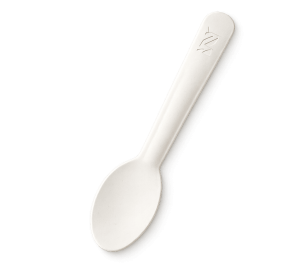
Plastic Reduction Initiatives
Governments around the world are introducing restrictions on single-use plastics and encouraging businesses to adopt more sustainable packaging solutions.
Disposable paper spoons are increasingly viewed as practical alternatives to traditional plastic utensils.
Sustainability Expectations
Consumers now expect restaurants and food brands to demonstrate environmental responsibility.
Paper-based food service products help companies improve sustainability positioning while creating a more eco-friendly customer experience.
Food Delivery Expansion
The rapid growth of takeaway and food delivery systems has increased demand for disposable utensils.
Paper spoons are widely used in:
- takeaway meals
- dessert packaging
- ready foods
- food delivery kits
- snack boxes
Corporate ESG Strategies
Large food service companies and hospitality groups increasingly include sustainability targets in procurement decisions.
This is helping sustainable paper cutlery gain stronger market visibility.
What Is Paper Spoon Manufacturing?
Paper spoon manufacturing refers to the production of disposable paper-based spoon products designed for food service applications.
These products are typically developed for:
- restaurants
- cafés
- airlines
- hotels
- catering systems
- takeaway brands
- food packaging distributors
- dessert chains
Modern paper spoon production combines:
- lightweight design
- food-safe materials
- disposable convenience
- sustainability-focused branding
- operational practicality
Paper spoon manufacturing is now closely connected to broader sustainable packaging trends.
Types of Paper Spoon Products
Paper spoon manufacturers often produce multiple product variations for different applications.
Widely used for:
- ice cream shops
- frozen yogurt
- dessert cups
- gelato service
Paper Spoon for Meals
Designed for:
- takeaway meals
- airline catering
- ready foods
- hot meal systems
Paper Spoon for Deli Foods
Suitable for:
- canned foods
- deli packaging
- salads
- snack packaging
Kid-Friendly Paper Spoon
Compact disposable spoon options designed for:
- children’s products
- snack boxes
- school catering
- dessert kits
Why Food Service Brands Prefer Paper Spoons
Paper spoons offer several advantages for modern food service operations.
Eco-Friendly Perception
Customers immediately associate paper-based utensils with sustainability and environmental awareness.
Lightweight Construction
Paper spoons support efficient transportation and packaging systems.
Disposable Convenience
Single-use paper spoons simplify food service operations and hygiene management.
Better Brand Image
Sustainable utensils help restaurants and cafés strengthen modern brand positioning.
Suitable for Multiple Applications
Paper spoons can be used across various food categories including:
- desserts
- takeaway meals
- catering
- ready foods
- airline meals
- snack packaging
FSC® Certified Paper Spoon Manufacturing
FSC® certified paper spoon solutions are becoming increasingly important in global food service procurement.
Many distributors and restaurant chains now actively search for FSC® certified packaging and disposable utensils.
Why FSC® Certification Matters
FSC® certification supports:
- responsible sourcing
- sustainability positioning
- procurement transparency
- environmental branding
For food service brands, FSC® paper spoons help communicate commitment to responsible packaging systems.
Sustainable Packaging and Paper Cutlery
Paper spoon manufacturing is closely connected to the broader sustainable packaging industry.
Food service companies increasingly seek:
- recyclable packaging
- paper-based alternatives
- PFAS-free packaging
- eco-friendly food service products
- low-plastic systems
Paper cutlery products are becoming an important part of this transition.
Applications of Paper Spoon Manufacturing
Paper spoon manufacturers support a wide range of industries.
Restaurants
Restaurants use paper spoons for takeaway meals and delivery systems.
Dessert Chains
Ice cream shops and dessert brands frequently use disposable paper spoons.
Airlines
Airline catering systems increasingly adopt paper-based disposable utensils.
Hotels
Hotels use paper cutlery for takeaway service and catering operations.
Catering Companies
Large-scale catering operations require scalable disposable cutlery solutions.
Food Delivery Platforms
Delivery systems depend heavily on lightweight disposable packaging and utensils.
OEM Paper Spoon Manufacturing
OEM production is becoming increasingly important in disposable paper cutlery markets.
Many distributors and food service brands request:
- branded packaging
- private label paper spoons
- custom packaging systems
- logo-printed food service products
OEM paper spoon manufacturing helps brands improve:
- customer recognition
- premium presentation
- brand consistency
- market differentiation
Key Requirements for Paper Spoon Suppliers
Professional food service buyers evaluate paper spoon suppliers carefully.
Food Safety
Products must be suitable for food contact applications.
Production Scalability
Manufacturers should support large-volume procurement.
Consistent Product Quality
Uniformity is important for large food service operations.
Export Capability
Global distributors require export-ready supply systems.
Sustainable Material Focus
Paper-based product expertise is increasingly important.
Clear Communication
Professional B2B communication strongly influences procurement decisions.
The Importance of Packaging Design
Packaging design now affects customer perception as much as the product itself.
Modern food service brands increasingly prefer:
- minimalist packaging
- sustainable branding
- eco-friendly messaging
- premium visual presentation
Paper spoon packaging can support broader sustainability storytelling.
Paper Spoon Manufacturing and Consumer Psychology
Disposable utensils influence customer experience more than many businesses realize.
Consumers increasingly notice:
- material quality
- sustainability signals
- packaging design
- environmental messaging
Paper spoons often create a cleaner and more responsible impression than traditional plastic utensils.
This directly affects:
- brand perception
- customer trust
- repeat purchasing behavior
- social media visibility
Global Demand for Sustainable Disposable Cutlery
The global disposable cutlery market is evolving rapidly.
Key growth drivers include:
- sustainability regulations
- food delivery expansion
- hospitality recovery
- takeaway culture
- environmental awareness
- food service innovation
Paper spoon manufacturing is expected to continue growing as businesses seek alternatives to plastic-heavy food service systems.
The Future of Paper Spoon Manufacturing
Several trends are expected to shape the future of paper spoon production.
Better Material Technologies
Manufacturers continue improving durability and food service performance.
Lightweight Product Innovation
Operational efficiency remains important for large-scale food service systems.
Increased FSC® Demand
Responsible sourcing standards are becoming more influential.
Stronger Sustainability Expectations
Consumers and regulators will likely continue pushing food service companies toward eco-friendly disposable products.
Expansion of Paper-Based Packaging Systems
Paper spoons will increasingly become part of larger sustainable food packaging ecosystems.
Choosing the Right Paper Spoon Manufacturer
Selecting the right supplier is critical for distributors and food service brands.
A professional paper spoon manufacturer should provide:
- sustainable product expertise
- scalable production
- OEM capability
- export support
- food service knowledge
- clear product categories
- responsive communication
- application-specific solutions
Manufacturers focused on sustainable disposable cutlery are increasingly well-positioned for long-term growth in global food service industries.
Conclusion
Paper spoon manufacturing is becoming a central part of the global transition toward sustainable food service systems. Restaurants, airlines, cafés, catering companies and food delivery brands increasingly seek disposable cutlery solutions that combine practicality, sustainability and strong customer perception.
Paper-based disposable spoons are no longer niche alternatives. They are becoming mainstream products within modern sustainable packaging and food service operations.
As environmental expectations continue evolving, paper spoon manufacturing is expected to play an increasingly important role in the future of disposable food service packaging worldwide.
Food-contact context
Review the European Commission overview for general food-contact context. Request current product-specific documents identifying the offered item, construction and intended conditions of use. Keep the agreed specification and applicable documents together, and review their scope before accepting a material change or publishing a product claim.